|
|
 |
 |
|||||||
|
||||||||
|
|
||||||||
How Fleet Operations Benefit From Telematics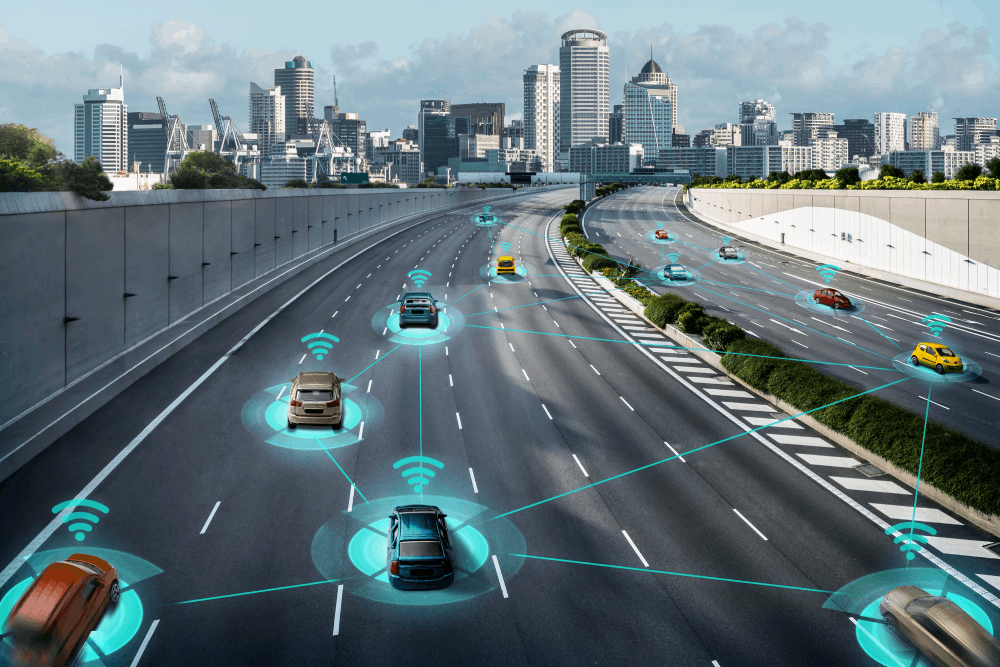 When you connect your vehicles with telematics, you turn everyday fleet activity into measurable, actionable data. You see where trucks are, how they’re driven, and what’s happening under the hood in real time. That insight lets you cut fuel waste, prevent unplanned breakdowns, and coach safer driving while staying compliant. But the real advantage isn’t just knowing what’s happening on the road, it’s what you do next with that information… Fleet Telematics: What It Is and How It WorksFleet telematics transforms everyday vehicles into intelligent, connected assets by collecting real-time data, such as GPS location, speed, idle time, and engine performance, through onboard devices. These systems, whether plug-and-play OBD-II units or hardwired modules, securely transmit data via cellular networks to cloud-based platforms, giving operators a clear, live view of their fleet. Instead of relying on manual tracking or delayed reports, businesses gain immediate visibility into how vehicles are being used and where improvements can be made. Working with providers who understand regional infrastructure, road conditions, and compliance requirements makes a noticeable difference in the effectiveness of these systems. Solutions like Suivo track and trace reflect this advantage by combining reliable data capture with local expertise, helping businesses not only monitor their fleet but also respond quickly to real-world conditions, whether that means rerouting around congestion, improving delivery accuracy, or recovering a vehicle in case of theft. From a practical standpoint, telematics platforms bring everything together: real-time dashboards, trip histories, maintenance alerts, and automated driver logs. When paired with traffic insights and GNSS data, they enable smarter route planning and more accurate ETAs, ultimately improving efficiency and reducing operational risks. Cutting Fuel Costs With Fleet TelematicsReducing fuel expenditure is one of the more immediate and measurable benefits of implementing fleet telematics. By tracking idling, rapid acceleration, and harsh braking, fleets can identify specific driving behaviors that increase fuel consumption. Driver coaching based on this data often leads to noticeable efficiency gains; for example, the U.S. Department of Energy reports that improving driving habits can reduce fuel use by roughly 10–15% in many cases. Telematics-enabled GPS routing helps vehicles avoid congestion, unnecessary detours, and out-of-route miles, which in turn lowers total fuel consumed. Monitoring extended idling is especially important for heavy vehicles, which can burn several gallons of fuel per hour when stationary. Alerts and reports allow managers to enforce idling policies and reduce this waste. In addition, detailed fuel economy (MPG) reports by driver and vehicle, combined with integration to fuel card data, make it easier to identify underperforming assets, inconsistent fuel usage patterns, and potential misuse or fraud. Incremental reductions in fuel burned per mile, when applied across an entire fleet and over a full year, can lead to substantial overall cost savings. How Telematics Improves Uptime and Vehicle HealthProtecting vehicle health with telematics begins by converting raw engine and sensor data into actionable early warnings. Real-time access to diagnostic codes, brake wear indicators, and abnormal sensor readings allows maintenance teams to identify issues before they develop into breakdowns, enabling scheduled repairs rather than unplanned downtime. Automated service reminders for oil changes, brake inspections, and tire rotations, calculated from mileage and engine hours, help keep maintenance tasks on schedule and support longer asset lifecycles. Vehicle health reports and key performance indicators, such as downtime, utilization, and maintenance history, provide a basis for decisions on targeted repairs, component replacements, or vehicle retirement. Remote diagnostics and trend analysis help detect gradual component degradation, thereby increasing uptime and overall fleet availability when addressed promptly. Safer Driving, Compliance, and Insurance Savings With TelematicsTelematics can be a practical tool for improving safety, regulatory compliance, and insurance outcomes in fleet operations. By tracking metrics such as speeding, harsh braking, rapid acceleration, and sharp cornering, organizations can identify risky driving patterns and provide coaching based on objective data. Programs using this approach have been associated with reductions in distracted driving by approximately 20%, hard braking by 9%, and speeding time by 27% among higher‑risk drivers. Telematics systems can also support compliance by automating hours‑of‑service (HOS) tracking through tamper‑resistant electronic logs, which may help reduce driver fatigue and simplify audits. In‑cab alerts can notify drivers and managers of unsafe behavior or vehicle faults in real time. In addition, accurate GPS data can assist with faster emergency response, support insurance negotiations, streamline claims handling, and provide documented evidence of maintenance activities and adherence to regulatory requirements. Real-Time Telematics Tracking, Routing, and Customer UpdatesTelematics systems provide real-time information on each vehicle’s location and movement, enabling fleets to operate with greater responsiveness. Live GPS tracking and complete journey histories allow dispatchers to adjust routes in response to congestion, road closures, or accidents, helping to maintain steady vehicle movement. Routing supported by telematics uses real-time traffic and incident data to reduce idle time, unnecessary mileage, and fuel consumption, while improving on-time performance. Dispatchers can identify the nearest available vehicle for a new or high-priority assignment, which helps minimize deadhead miles and improve response times. Automated, accurate estimated times of arrival (ETAs) and live tracking links give customers clearer visibility into shipment status and expected delivery windows. Using Telematics Data to Optimize Operations and ROILeveraging telematics data allows organizations to convert day‑to‑day fleet activity into measurable insights that can support operational and financial improvements. By monitoring metrics such as idling time, harsh acceleration, and route inefficiencies, fleets can identify patterns that contribute to excess fuel consumption. Many operators report that systematically addressing these factors can yield fuel savings of 10–15% for high‑mileage vehicles, depending on driving conditions and adherence to recommended practices. Telematics systems can also provide real‑time diagnostic alerts and automated maintenance reminders. These features help detect mechanical issues earlier, reducing the likelihood of unplanned breakdowns, improving vehicle availability, and potentially extending asset life through more consistent maintenance. Centralized dashboards aggregate information across vehicles, making it easier to identify underutilized assets, inefficient routes, or recurring driver‑behavior issues. When combined with GPS‑based route optimization and data‑driven driver coaching, organizations can reduce unnecessary travel time, lower collision risk, and better manage insurance exposure. Taken together, these measures support more efficient fleet operations and can contribute to improved return on investment (ROI) over the vehicle lifecycle. ConclusionWith the right telematics solution, you turn every vehicle into a real-time data source that cuts fuel costs, reduces downtime, and boosts safety. You don’t just react to problems, you prevent them with proactive maintenance and smarter routing. You coach drivers, document compliance, and strengthen customer trust with accurate ETAs. When you use telematics data across your operation, you’ll uncover hidden inefficiencies and turn your fleet into a lean, efficient, ROI-driven asset.
|
||||||||
|
||||||||
 |
 |
|||||||